22 Oct 2026
Endurance Overlaps Between Equine Long-Distance Events and Extended Tennis Matches Shape Accumulator Approaches
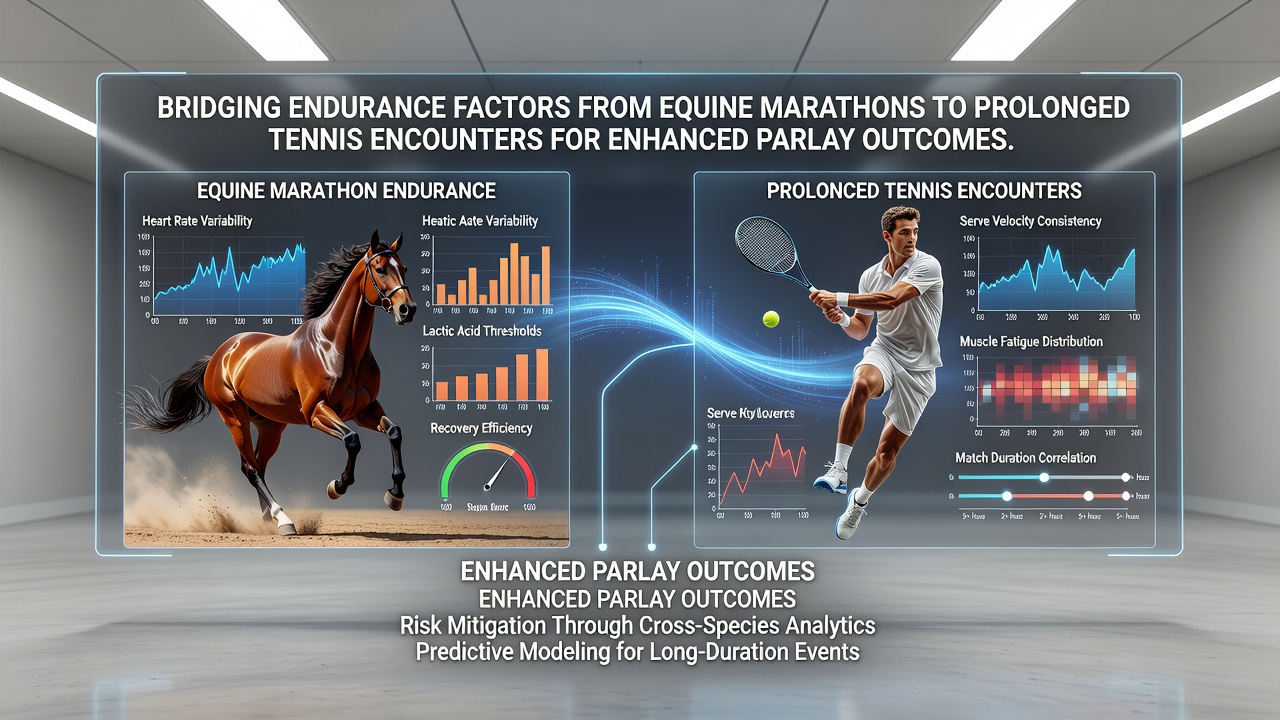
Endurance plays a central role in both equine marathon competitions and prolonged tennis encounters, and analysts track these elements when constructing accumulator bets that combine outcomes across the two sports. Data from various racing authorities shows that horses competing in distances beyond 20 kilometers often demonstrate specific physiological adaptations, including elevated aerobic capacity and efficient energy utilization, which parallel the demands seen in tennis matches that extend past three hours.
Key Factors in Equine Marathon Performance
Researchers at institutions such as the University of Guelph have documented how thoroughbreds and endurance breeds manage sustained efforts through heart rate recovery patterns, muscle fiber composition, and hydration strategies during events sanctioned by bodies like the Federation Equestre Internationale. These metrics become relevant when bettors examine form guides for races scheduled in late 2026, where surface conditions and pace management determine whether a horse maintains output over multiple stages.
Performance records indicate that horses with proven records in multi-day competitions exhibit lower lactate accumulation rates, a trait that allows them to sustain speed when others fade. Observers note that such data feeds into models used by professional syndicates evaluating multi-leg wagers that span weekend racing cards and concurrent tennis tournaments.
Physiological Demands in Prolonged Tennis Encounters
Tennis matches that reach four or five sets place comparable stress on cardiovascular systems and neuromuscular endurance, with studies from the Australian Institute of Sport highlighting how elite players regulate core temperature and maintain stroke consistency despite accumulating fatigue. Serve percentages and unforced error rates typically shift after the two-hour mark, patterns that statistical services record across Grand Slam and ATP events.
Match data compiled through October 2026 reveals that players who excel in baseline rallies during later sets often share traits with endurance athletes, including superior VO2 max values and efficient glycogen replenishment protocols. These variables appear in predictive frameworks that link individual match durations to broader tournament outcomes.
Parallels That Inform Accumulator Construction
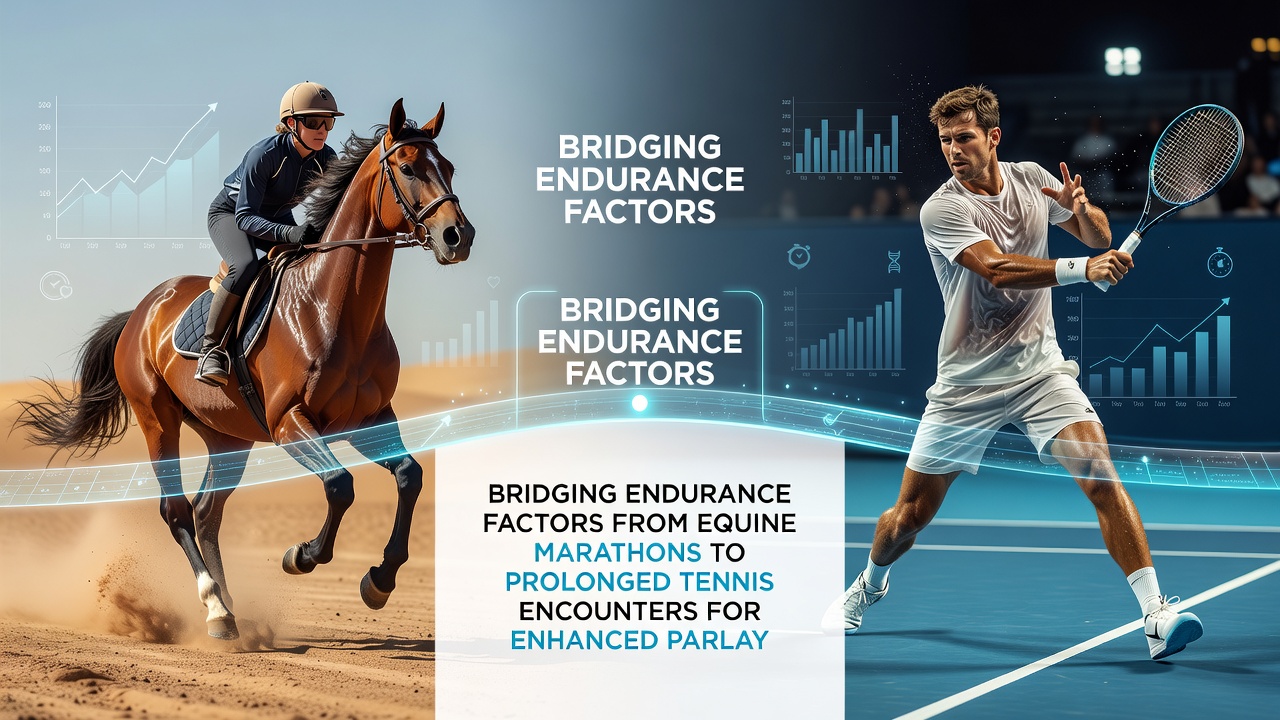
Analysts who monitor both disciplines identify shared indicators such as recovery intervals between high-intensity bursts and the ability to maintain technical execution under progressive fatigue. In equine events, split times across successive loops correlate with a horse's capacity to hold position late in a race, while in tennis the equivalent appears in hold percentages during tiebreaks or deciding sets.
Betting platforms aggregate these metrics to weight legs within accumulators, for instance pairing selections from a 160-kilometer endurance ride with a tennis match projected to exceed 180 minutes. Historical datasets show that when both components align with pre-event endurance profiles, the combined probability calculations adjust accordingly, though variance remains inherent across independent events.
Practical Application in Multi-Sport Parlays
Operators in regions outside the UK, including those regulated by state commissions in Australia and provincial bodies in Canada, publish odds that reflect endurance-related variables for combined wagers. Bettors review past performance charts from events like the Tevis Cup alongside tennis match logs from the Australian Open to identify overlaps in stamina indicators.
Software tools now incorporate real-time biometric proxies, such as stride efficiency in horses and movement data in tennis, to refine projections for accumulator returns. Figures released in mid-2026 by international sports data providers demonstrate increased volume in such cross-sport products during periods when major endurance races and tennis majors coincide on the calendar.
Conclusion
Connections between endurance markers in equine marathons and extended tennis contests continue to appear in analytical approaches used for accumulator construction. Ongoing collection of physiological and performance data across both sports supplies the foundation for these frameworks, while regulatory environments in multiple jurisdictions maintain oversight of how such information reaches market participants.